Tag: digital-marketing

  • How AI Is Changing Digital Media: A Content Creator’s View

    Artificial Intelligence (AI) is changing the way we live, work, and even create. In the world of digital media, AI is quickly becoming a powerful tool for content creators. Whether it’s writing blog posts, designing images, or making videos, AI-powered tools like Canva’s Magic Write, ChatGPT, and Jasper are helping people work faster and smarter. In this blog post, I’ll share my experience using an AI writing tool, talk about what I learned, and explain what I think the future of AI in digital media might look like.


    My Experience with Canva’s Magic Write

    What I Used

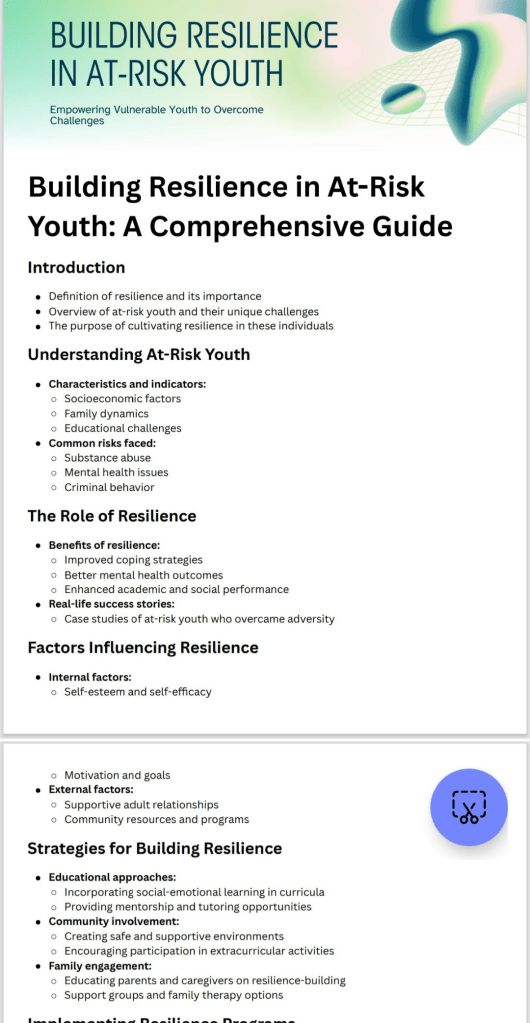
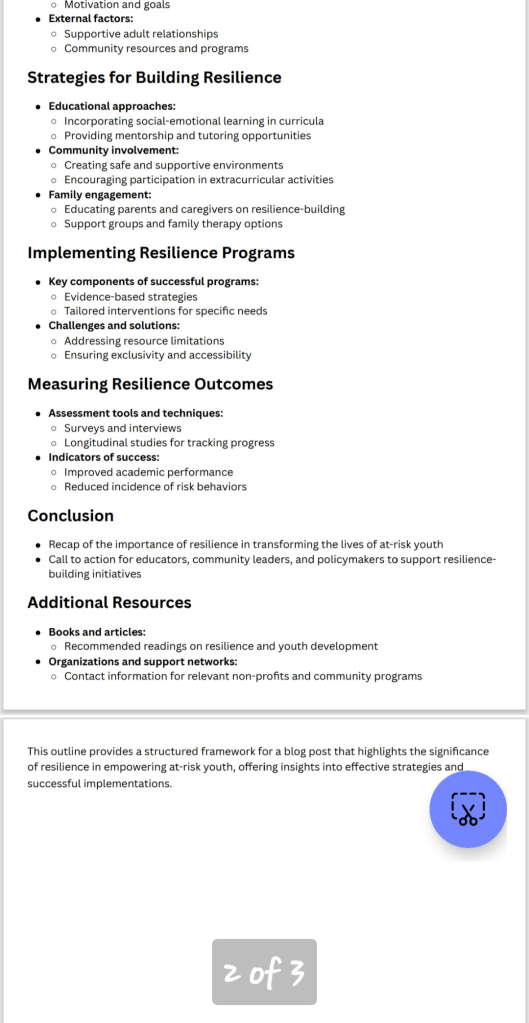
    For this project, I used Canva’s Magic Write, a tool inside Canva Docs that helps write content using AI. I asked it to create a blog outline on “Resilience in At-Risk Youth,” a topic related to my studies and personal interests.


    Was It Easy to Use?

    Yes! The tool was very simple. I opened a blank Canva Doc, typed a short prompt, and within seconds, Magic Write gave me a full outline to work with. It was fast, clear, and beginner-friendly. I didn’t need any advanced skills.


    How It Changed My Workflow

    Using Magic Write helped me work faster. Instead of spending an hour brainstorming, I had a full structure ready in seconds. This let me focus on refining my message and adding my voice to the piece. It even gave me creative angles I hadn’t thought of before.


    What Didn’t Work So Well

    The content the AI gave me was a bit too general. It lacked personal emotion and depth. I also had to fact-check some things, because the AI made some vague statements that didn’t have sources. I made sure to rewrite parts so the final version would feel real and personal.


    What AI Means for Digital Media

    AI is already changing how content is created, shared, and even consumed. Here are some of the benefits and risks I’ve noticed:


    Pros of Using AI in Digital Media

    • Saves Time: Speeds up writing, editing, and designing.
    • More Accessible: Even beginners can make high-quality content.
    • Creates More Content: Helps creators produce more, faster.
    • Personalizes Messages: Can adjust content to fit different audiences.

    Cons of Using AI in Digital Media

    • Less Original: If everyone uses AI, content may sound the same.
    • Ethical Concerns: Can spread bias or raise questions about ownership.
    • Could Replace Jobs: Might reduce need for writers and designers in some areas.
    • Makes Creators Lazy: Some may stop developing their own skills.

    My Personal Opinion: Keep the Human Touch

    I think AI is a great helper, but not a replacement. It’s like having a digital assistant—useful, fast, and inspiring. But the heart of good content is still human creativity, emotion, and personal experience. Those things can’t be faked by a machine.

    We should learn to work with AI, not against it. Use it to boost your ideas, not to replace them. The best content will come from creators who mix technology with their own unique voices.


    Final Thoughts

    The future of digital media will be shaped by how we use AI—not just what AI can do. With the right balance, AI can help us tell better stories, share important messages, and reach people around the world. But it’s our job to keep content human, real, and meaningful.
  • Welcome to My Digital Portfolio!

    Hi, I’m Jamelle James, a Human Development student at Howard University. I’m passionate about understanding how people grow, overcome challenges, and build resilience.

    This portfolio includes my work from the first seven weeks of my Digital Media course. Throughout these assignments, I’ve explored different forms of media, improved my research and writing skills, and learned how to present ideas clearly and engagingly.

    The goal of this portfolio is not just to showcase my work but also to reflect on my progress, challenges, and growth. Thanks for visiting!

    My Digital Media Learning Journey: Growth, Challenges, and Skills Gained

    Over the past seven weeks, I’ve worked on assignments that helped me better understand digital media, critical thinking, and content creation. Looking back, I can see how much I’ve improved in presenting ideas across different platforms.

    What I’ve Learned

    Each assignment challenged me to think in new ways. Whether I was writing blog posts, analyzing media trends, or creating digital content, I gained a deeper understanding of how media shapes communication. I also improved in organizing my work and making it more engaging for different audiences.

    Challenges & How I Overcame Them

    One of my biggest challenges was managing my time. Balancing assignments, research, and keeping my WordPress site updated took effort. To stay on track, I created a schedule to help with planning and editing. I also had to adjust to using WordPress, but with practice, I became more comfortable with its features.

    Skills Developed & Future Plans

    This course has helped me sharpen my writing, critical thinking, and digital presentation skills. I’ve also learned how to build and maintain a professional online presence. These skills will be useful in my future career as a social worker or probation officer working with at-risk youth. Digital communication is important, and I plan to use what I’ve learned to support young people, share helpful resources, and create content that inspires resilience and growth.

    This portfolio isn’t just a collection of assignments—it reflects my progress, adaptability, and commitment to learning. I’m excited to continue building on these skills as I move forward in my academic and professional journey.

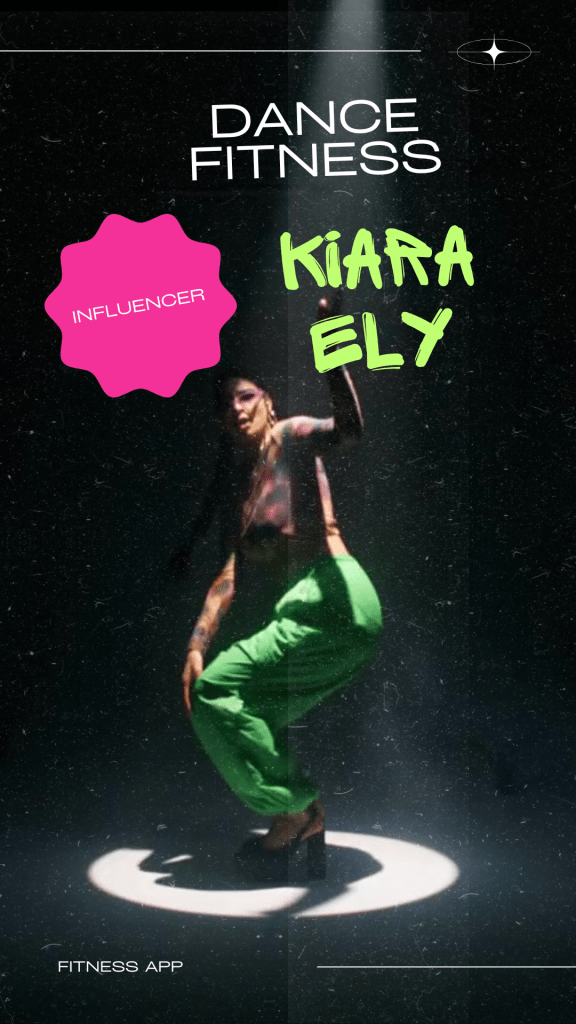
  • Influencer Marketing Plan: Promoting a Dance Fitness App with Kiara Ely

    We are teaming up with Kiara Ely, a popular dancer, choreographer, and career coach. She has 35,000+ Instagram followers and is very active on social media. Her audience loves her dance content, making her a great choice to promote a dance fitness app.

    Why Kiara Ely?

    • Big Following & Engagement – Kiara’s fans are highly engaged and interact with her posts.
    • Perfect Content Style – She shares dance tutorials and choreography, which fits well with a fitness app that uses dance.
    • Audience Match – Most of her followers are young adults and middle-aged individuals interested in dance, fitness, and self-improvement—ideal users for the app.

    Campaign Goal

    • The main goal is to increase awareness of the dance fitness app and introduce it to more people who want a fun way to exercise.

    Marketing Plan

    1. Campaign Theme & Message

    • “Dance Your Way to Fitness” – The campaign will highlight how dance workouts can be a fun and effective way to stay in shape.

    2. Content Plan & Platforms

    Kiara will create different types of content to reach more people:

    • Dance Tutorials (Instagram Reels, TikTok) – Short videos showing easy dance moves from the app.
    • Live Workouts (Instagram Live, YouTube) – Kiara will lead live dance workout sessions.
    • Behind-the-Scenes Clips (Instagram Stories) – Fun moments from Kiara’s workouts to engage followers.
    • App Review Post (Instagram Feed) – Kiara will share her thoughts on the app and its benefits.
    • Final Promotion (Instagram & TikTok) – A final post with a discount code to encourage downloads.

    3. Timeline & Posting Schedule

    The campaign will run for five weeks, with a different focus each week:

    • Week 1 – Kiara announces the partnership with the app.
    • Week 2 – First Instagram Reel and TikTok showing a simple dance routine.
    • Week 3 – Instagram Live workout session (15-minute dance workout).
    • Week 4 – Behind-the-scenes clips and a review of the app.
    • Week 5 – Final post with a discount code to encourage sign-ups.

    4. Measuring Success

    We will track success by looking at conversion rates, meaning how many people click the link and download the app. Kiara’s posts will include a special tracking link to measure the results.


    Expected Results

    Goal: 10,000 app downloads

    Estimated engagement from each type of post:

    • Instagram Reels – 150,000 views → 5,000 clicks → 1,500 downloads
    • TikTok Video – 200,000 views → 7,000 clicks → 2,000 downloads
    • Instagram Live – 50,000 viewers → 3,000 clicks → 1,000 downloads
    • Instagram Stories – 80,000 views → 4,000 clicks → 1,500 downloads
    • Final Promotion Post – 120,000 views → 6,000 clicks → 4,000 downloads

    Total Expected Results:

    • 600,000+ views
    • 25,000 clicks
    • 10,000 app downloads

    Conclusion

    Partnering with Kiara Ely is a great way to introduce the dance fitness app to the right audience. Her strong social media presence and dance expertise will help attract more users.

  • Understanding Digital Citizenship and Online Ethics

    1. What is Digital Citizenship and Why is it Important?

    Digital citizenship means using technology in a responsible and respectful way. It’s about understanding how to act online, protect your privacy, and treat others with kindness. Digital citizenship is important because it helps create a safer, more respectful online space for everyone. Since the internet is a huge part of daily life, how we use it affects our relationships and our safety. Practicing digital citizenship helps reduce issues like cyberbullying and misinformation and promotes a positive environment, especially for younger people who are still learning about online behavior.

    2. Common Online Ethics Issues

    There are several important issues when it comes to online behavior:

    • Respect: Without face-to-face interaction, it’s easy for people to be rude or hurtful online. This can lead to bullying or negative experiences for others.
    • Privacy: The internet makes it easy to share personal information, but we must be careful not to over-share. Protecting our privacy and respecting others’ privacy is key to preventing things like identity theft or stalking.
    • Accountability: Online actions aren’t always held to the same standards as real-life behavior. This can lead to people acting without fear of consequences, allowing harmful actions like spreading fake news or hurting others without facing penalties.

    3. Why Do People Behave Unethically Online?

    Unethical online behavior often happens because people feel anonymous or believe they won’t face immediate consequences. For example, cyberbullies may feel empowered by the fact that they can hide behind a screen.

    A real-life example of unethical online behavior is the Cambridge Analytica scandal, where personal data from millions of Facebook users was misused for political purposes. This caused public distrust in social media and raised concerns about privacy.

    Another example is the growth of hate groups online, where harmful behavior is often disguised as free speech, but it leads to real-world harm, like discrimination and violence.

    4. Reflecting on My Own Digital Behavior

    Looking at my own online actions, I see areas where I could do better. While I try to be respectful and protect privacy, there are times when I should double-check the information I share to make sure it’s true, especially since misinformation spreads quickly. I could also be more aware of my digital footprint and the impact of my posts on others. Moving forward, I plan to engage more in positive interactions online and stand up against bad behavior when I see it.

    5. Why Digital Citizenship is Important

    Digital citizenship is essential because it ensures people use the internet responsibly. It helps create a positive, respectful online community. As we spend more time online, practicing good digital citizenship is more important than ever. It’s about making the internet a safe and welcoming space for everyone, where we all understand the impact of our actions.


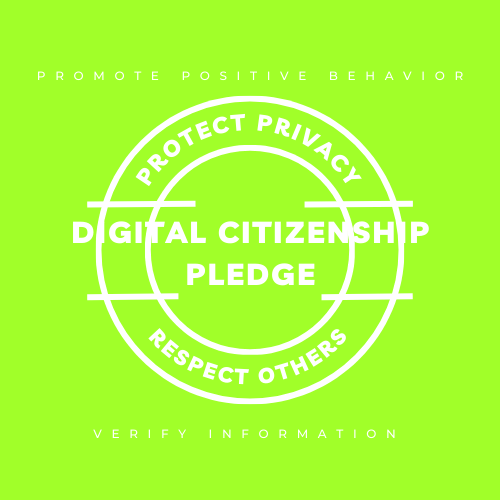
    Digital Citizenship Pledge:

    As a responsible digital citizen, I pledge to:

    1. Respect others: I will be kind and respectful in my online interactions, avoiding negative comments or bullying.
    2. Protect privacy: I will be careful with my personal information and respect the privacy of others by not sharing their details without permission.
    3. Be accountable: I will take responsibility for my actions online and consider how they may affect others.
    4. Promote positive behavior: I will encourage healthy discussions and promote kindness and respect in the digital space.
    5. Verify information: Before sharing anything online, I will make sure it’s true and credible to help prevent misinformation.