Artificial Intelligence (AI) is changing the way we live, work, and even create. In the world of digital media, AI is quickly becoming a powerful tool for content creators. Whether it’s writing blog posts, designing images, or making videos, AI-powered tools like Canva’s Magic Write, ChatGPT, and Jasper are helping people work faster and smarter. In this blog post, I’ll share my experience using an AI writing tool, talk about what I learned, and explain what I think the future of AI in digital media might look like.
My Experience with Canva’s Magic Write
What I Used
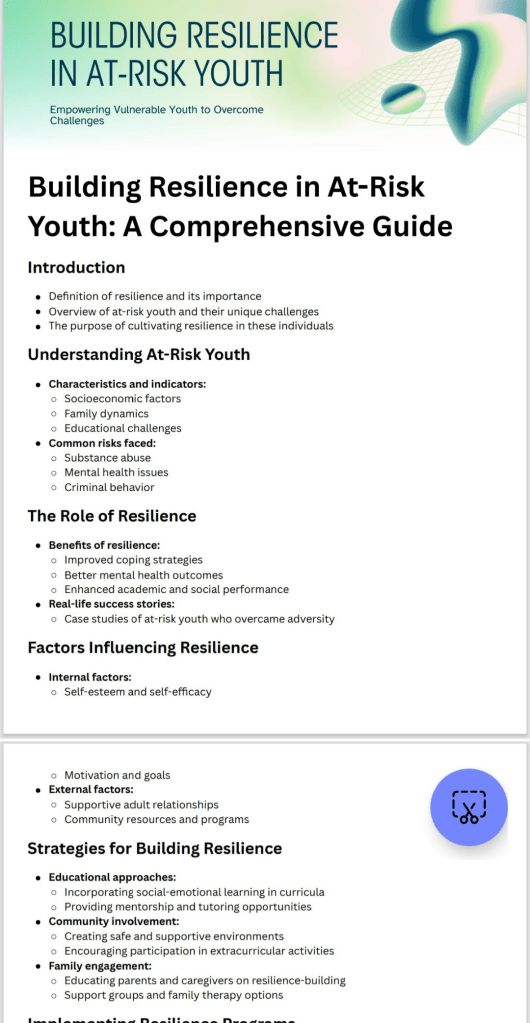
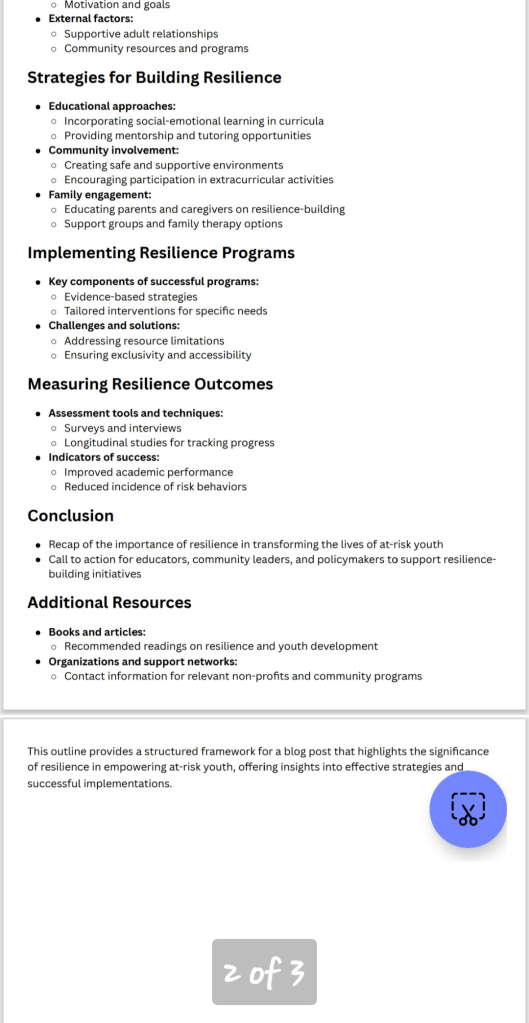
For this project, I used Canva’s Magic Write, a tool inside Canva Docs that helps write content using AI. I asked it to create a blog outline on “Resilience in At-Risk Youth,” a topic related to my studies and personal interests.
Was It Easy to Use?
Yes! The tool was very simple. I opened a blank Canva Doc, typed a short prompt, and within seconds, Magic Write gave me a full outline to work with. It was fast, clear, and beginner-friendly. I didn’t need any advanced skills.
How It Changed My Workflow
Using Magic Write helped me work faster. Instead of spending an hour brainstorming, I had a full structure ready in seconds. This let me focus on refining my message and adding my voice to the piece. It even gave me creative angles I hadn’t thought of before.
What Didn’t Work So Well
The content the AI gave me was a bit too general. It lacked personal emotion and depth. I also had to fact-check some things, because the AI made some vague statements that didn’t have sources. I made sure to rewrite parts so the final version would feel real and personal.
What AI Means for Digital Media
AI is already changing how content is created, shared, and even consumed. Here are some of the benefits and risks I’ve noticed:
Pros of Using AI in Digital Media
Saves Time: Speeds up writing, editing, and designing.
More Accessible: Even beginners can make high-quality content.
Creates More Content: Helps creators produce more, faster.
Personalizes Messages: Can adjust content to fit different audiences.
Cons of Using AI in Digital Media
Less Original: If everyone uses AI, content may sound the same.
Ethical Concerns: Can spread bias or raise questions about ownership.
Could Replace Jobs: Might reduce need for writers and designers in some areas.
Makes Creators Lazy: Some may stop developing their own skills.
My Personal Opinion: Keep the Human Touch
I think AI is a great helper, but not a replacement. It’s like having a digital assistant—useful, fast, and inspiring. But the heart of good content is still human creativity, emotion, and personal experience. Those things can’t be faked by a machine.
We should learn to work with AI, not against it. Use it to boost your ideas, not to replace them. The best content will come from creators who mix technology with their own unique voices.
Final Thoughts
The future of digital media will be shaped by how we use AI—not just what AI can do. With the right balance, AI can help us tell better stories, share important messages, and reach people around the world. But it’s our job to keep content human, real, and meaningful.
The digital divide refers to the gap between those who have access to modern information technology and the internet, and those who do not. This divide is not just about the availability of technology but also includes disparities in digital literacy, affordability, and the ability to use technology effectively. The digital divide affects various regions and demographics, but one of the most significant and often overlooked areas is rural communities. In this blog, we will explore the digital divide within rural communities, particularly focusing on rural areas in the United States. We will examine the current state of digital access, its real-world implications, and propose actionable solutions to bridge the gap.
The Digital Divide in Rural Communities
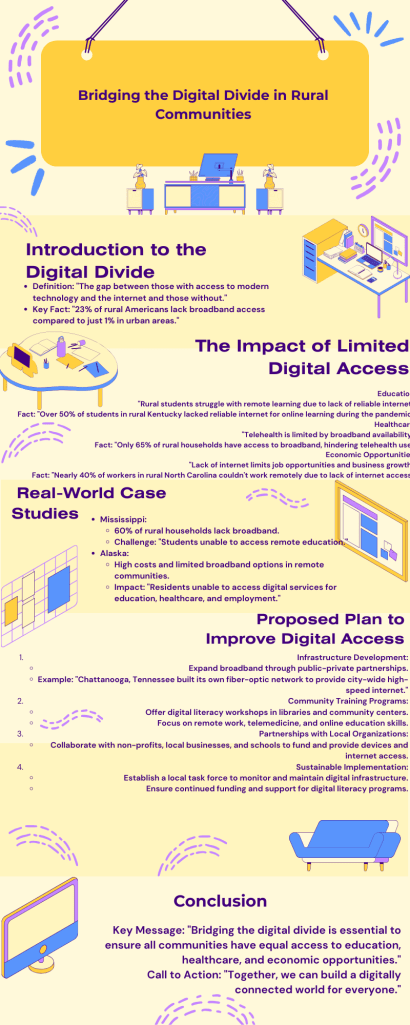
Rural communities in the U.S. have long faced challenges in accessing the same level of digital resources as urban areas. According to a report by the Federal Communications Commission (FCC), nearly 19 million Americans, or about 6% of the population, do not have access to broadband internet. However, the real disparity becomes evident when considering rural areas, where access drops to around 23%, compared to just 1% in urban areas.
The lack of high-speed internet access is not just an inconvenience; it has profound implications for individuals’ ability to engage in modern society. In rural areas, where infrastructure is often lacking or outdated, individuals struggle to access essential services such as telemedicine, remote education, and job opportunities that are increasingly dependent on digital tools.
The Impact of Limited Digital Access
The implications of limited digital access in rural areas are far-reaching. The digital divide exacerbates inequality by denying rural populations opportunities for educational advancement, economic growth, and healthcare access.
Education: During the COVID-19 pandemic, many students in rural communities faced difficulties in attending school remotely. According to a study by the National Center for Education Statistics (NCES), rural students were more likely to lack reliable internet access, making remote learning a challenge. For example, in a rural district in Kentucky, over 50% of students lacked reliable internet access, hindering their ability to participate in online classes and complete assignments.
Healthcare: Telehealth has become a critical tool for healthcare access, especially in underserved areas. However, rural areas often lack the broadband infrastructure necessary for video consultations or other telehealth services. According to the Rural Health Information Hub, only about 65% of rural households have access to broadband, which limits their ability to access remote healthcare services. In many cases, patients are forced to travel long distances to receive care, which can be costly and time-consuming.
Economic Opportunities: The digital divide in rural areas also affects economic growth. Many modern jobs require internet access and digital literacy. In a rural community in North Carolina, for example, a survey found that nearly 40% of workers did not have the necessary internet access to work remotely, limiting their employment opportunities. Furthermore, small businesses in rural areas are often at a disadvantage because they lack the digital tools to compete in an increasingly online marketplace.
Case Studies: Real-World Challenges in Rural Communities
One notable case is the state of Mississippi, where many rural areas still face severe internet access issues. In 2020, a study found that 60% of households in rural Mississippi lacked access to high-speed internet. This lack of access was particularly detrimental during the pandemic when schools switched to remote learning. In one rural district, over 75% of students did not have reliable internet access at home, leading to a significant learning gap compared to their urban counterparts.
Another example can be seen in rural areas of Alaska. In these remote regions, internet access is not only limited but also expensive. In communities like Bethel and Nome, where internet access is essential for business operations, education, and healthcare, the high cost of broadband services often makes it unaffordable for many residents. Additionally, the lack of digital literacy among older populations in these areas further exacerbates the problem.
Proposed Plan to Improve Digital Access
To bridge the digital divide in rural communities, it is essential to develop a multi-faceted approach that addresses the infrastructure, affordability, and digital literacy challenges. Below is an actionable plan to enhance digital access in underserved rural communities:
Infrastructure Development: The first priority is to improve broadband infrastructure in rural areas. This can be achieved through partnerships between government agencies, private companies, and local communities. Federal programs like the FCC’s Rural Digital Opportunity Fund (RDOF) can be expanded to support rural broadband expansion projects. Additionally, local governments can provide incentives for private companies to build broadband networks in underserved areas. Municipalities in rural areas could explore the possibility of creating their own broadband networks, following models like Chattanooga, Tennessee, where the city built its own fiber-optic network, providing high-speed internet to all residents.
Community Training Programs: To ensure that rural populations can fully benefit from improved digital access, it is essential to provide training in digital literacy. Community centers, local libraries, and schools can offer workshops for residents to learn basic computer skills, internet navigation, and the use of digital tools. Additionally, these programs should focus on developing specific skills for remote work, telemedicine, and online education, which are becoming increasingly vital in today’s digital age.
Partnerships with Local Organizations: Collaboration with local non-profits and businesses is crucial for ensuring the success of digital access initiatives. For example, local chambers of commerce could partner with tech companies to provide affordable devices to low-income families. Non-profit organizations could help fund digital literacy programs, and local schools could collaborate with businesses to provide students with access to necessary technologies and educational resources.
Sustainable Implementation: Sustainable digital access solutions must consider the long-term needs of rural communities. This includes ensuring the continued maintenance of broadband infrastructure and providing ongoing digital literacy programs. One solution could be to create a local task force dedicated to monitoring the progress of digital inclusion efforts and working with local leaders to ensure ongoing support and funding for digital initiatives.
Conclusion
The digital divide in rural communities is a significant issue that affects education, healthcare, and economic opportunities. The lack of digital access exacerbates inequality and limits the potential of individuals in these areas. By addressing the infrastructure, affordability, and digital literacy challenges through strategic partnerships, government support, and community engagement, we can begin to bridge the digital divide. It is crucial that we take action now to ensure that all communities, regardless of their location, have equal access to the opportunities provided by the digital age. With thoughtful planning and collaboration, we can help rural communities thrive in a digitally connected world.

 Everyday Encouragement