Category: Uncategorized

  • Digital Movements That Inspire: From Black Lives Matter to Rooted in Resilience

    In our digital world, social media does more than just connect us—it can also spark change. Platforms like Twitter, Instagram, and TikTok have given people around the world a place to speak out against injustice and stand up for what they believe in. This blog highlights how the Black Lives Matter (BLM) movement used digital tools to become a global force, and introduces a new campaign called #RootedInResilience, focused on lifting up at-risk youth through storytelling and support.


    Part 1: The Power of the Black Lives Matter Movement

    The Black Lives Matter movement started in 2013 after the death of 17-year-old Trayvon Martin and the acquittal of George Zimmerman. It gained worldwide attention in 2020, following the killing of George Floyd. The movement’s main message is that Black lives should be treated with the same respect, safety, and justice as everyone else, especially when it comes to interactions with police.

    Using Social Media to Take Action

    BLM grew fast because it made smart use of social media. People shared powerful images, videos, and messages using the hashtag #BlackLivesMatter on platforms like Twitter, Instagram, TikTok, and Facebook. Protesters were able to organize events quickly, raise money for victims’ families, and spread important information in real time. Online support helped the movement grow beyond the streets and into homes, schools, and government conversations.

    What the Movement Accomplished

    BLM didn’t just raise awareness—it created change:

    • Protests happened in more than 60 countries
    • More people began learning about systemic racism and the need for police reform
    • Cities passed new laws, like banning chokeholds or funding better police training

    Social media helped millions get involved. At its peak, BLM-related posts were being shared millions of times a day. Local BLM chapters were formed, and major media outlets covered their work. The world was listening.

    Challenges Along the Way

    Even with all its impact, BLM faced challenges:

    • Some groups tried to spread false information about the movement
    • Critics questioned its leadership and goals
    • It became hard to keep the same momentum after the protests slowed down

    Still, the way BLM used digital tools shows just how powerful online activism can be when done with purpose and passion.


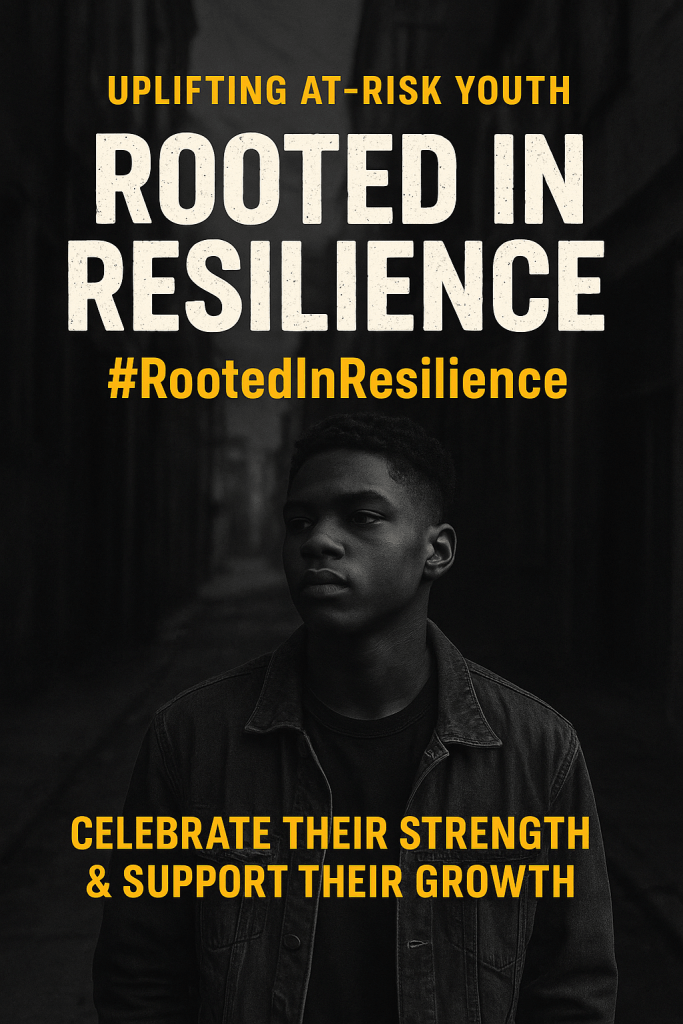
    Part 2: #RootedInResilience — Shining a Light on At-Risk Youth

    Taking inspiration from BLM, a new campaign called #RootedInResilience aims to support at-risk youth—young people who deal with tough situations like poverty, trauma, abuse, or involvement in foster care or the juvenile justice system. This campaign doesn’t focus on what these youth are missing. Instead, it celebrates their strength, courage, and potential.

    What the Campaign Wants to Do

    The goal of #RootedInResilience is to:

    • Share stories of youth resilience through photos, short videos, and quotes
    • Connect youth to mentors and community resources
    • Motivate adults to be positive role models and supporters
    • Raise awareness about what these young people face and how we can help

    By highlighting their strength instead of their struggles, this campaign hopes to change how people see at-risk youth—from victims to warriors.

    Who It’s For and Where It Will Be Seen

    This campaign is for:

    • Young adults
    • Educators, parents, and mentors
    • Social workers and youth advocates
    • Community organizations

    To reach people where they already are, the campaign will use:

    • Instagram and TikTok for quick, inspiring videos
    • Twitter/X for updates, facts, and conversations
    • Facebook to build community support and share longer stories
    • YouTube for in-depth interviews and educational content

    Creative Ways to Get People Involved

    The campaign will include fun and meaningful activities to bring people in:

    • Weekly Hashtag Challenge: Youth and mentors will post 30-second videos showing what keeps them “rooted” and resilient
    • Digital Wall of Hope: A collage of photos, quotes, and artwork from young people and their supporters
    • Mentor Minute Videos: Short clips where mentors explain why they give back and how others can do the same
    • Partner Spotlights: Shout-outs to organizations that are already making a difference in young lives

    These features are meant to build community, boost confidence, and inspire action—both online and in real life.

    Tracking Our Success

    To know if it’s working, the campaign will track:

    • Online engagement (likes, shares, comments, hashtag use)
    • Participation (how many people join challenges or sign up to be mentors)
    • Real impact (testimonials from youth and mentors, new partnerships, and growth in online followers)

    The goal is to spark more than just clicks.We want people to get involved, stay connected, and help change lives.


    Closing Thoughts

    Movements like Black Lives Matter show us how powerful a simple hashtag can become when people come together online and offline to demand change. In that same spirit, #RootedInResilience uses digital tools to uplift at-risk youth and show the world that their stories matter. They are more than their circumstances. They are survivors, leaders, and dreamers with so much to give.

    We believe that every young person deserves to know:
    You are strong. You are seen. You are rooted in resilience.

    Let’s use our voices, our stories, and our platforms to help them rise.
  • How AI Is Changing Digital Media: A Content Creator’s View

    Artificial Intelligence (AI) is changing the way we live, work, and even create. In the world of digital media, AI is quickly becoming a powerful tool for content creators. Whether it’s writing blog posts, designing images, or making videos, AI-powered tools like Canva’s Magic Write, ChatGPT, and Jasper are helping people work faster and smarter. In this blog post, I’ll share my experience using an AI writing tool, talk about what I learned, and explain what I think the future of AI in digital media might look like.


    My Experience with Canva’s Magic Write

    What I Used

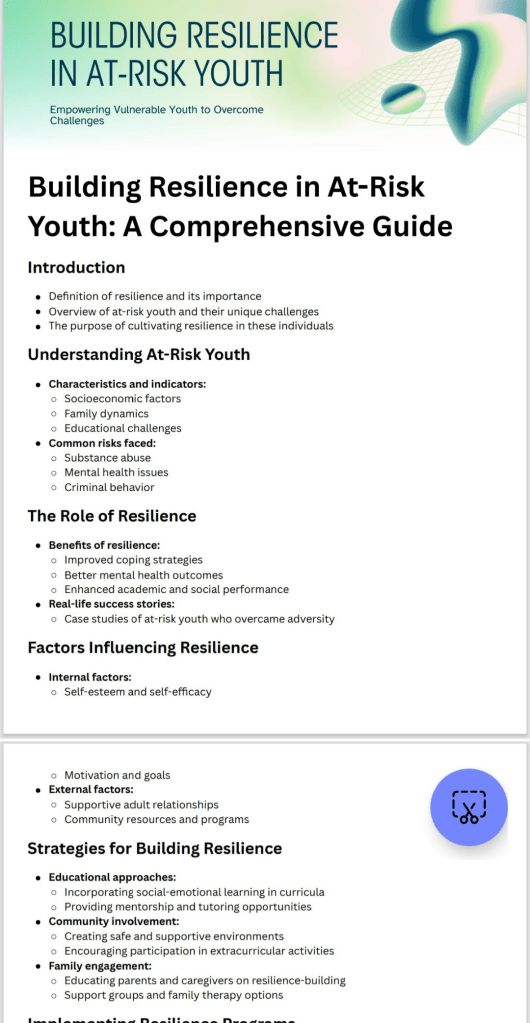
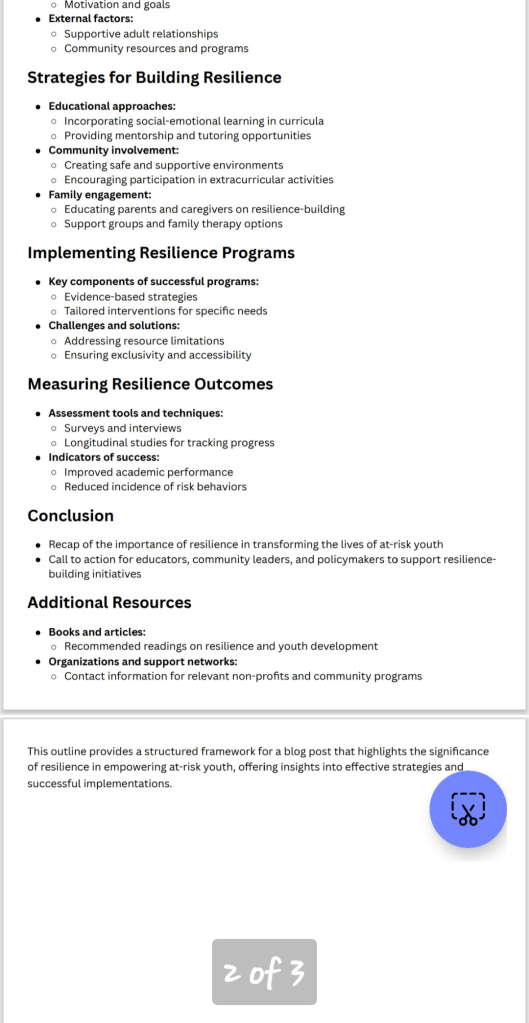
    For this project, I used Canva’s Magic Write, a tool inside Canva Docs that helps write content using AI. I asked it to create a blog outline on “Resilience in At-Risk Youth,” a topic related to my studies and personal interests.


    Was It Easy to Use?

    Yes! The tool was very simple. I opened a blank Canva Doc, typed a short prompt, and within seconds, Magic Write gave me a full outline to work with. It was fast, clear, and beginner-friendly. I didn’t need any advanced skills.


    How It Changed My Workflow

    Using Magic Write helped me work faster. Instead of spending an hour brainstorming, I had a full structure ready in seconds. This let me focus on refining my message and adding my voice to the piece. It even gave me creative angles I hadn’t thought of before.


    What Didn’t Work So Well

    The content the AI gave me was a bit too general. It lacked personal emotion and depth. I also had to fact-check some things, because the AI made some vague statements that didn’t have sources. I made sure to rewrite parts so the final version would feel real and personal.


    What AI Means for Digital Media

    AI is already changing how content is created, shared, and even consumed. Here are some of the benefits and risks I’ve noticed:


    Pros of Using AI in Digital Media

    • Saves Time: Speeds up writing, editing, and designing.
    • More Accessible: Even beginners can make high-quality content.
    • Creates More Content: Helps creators produce more, faster.
    • Personalizes Messages: Can adjust content to fit different audiences.

    Cons of Using AI in Digital Media

    • Less Original: If everyone uses AI, content may sound the same.
    • Ethical Concerns: Can spread bias or raise questions about ownership.
    • Could Replace Jobs: Might reduce need for writers and designers in some areas.
    • Makes Creators Lazy: Some may stop developing their own skills.

    My Personal Opinion: Keep the Human Touch

    I think AI is a great helper, but not a replacement. It’s like having a digital assistant—useful, fast, and inspiring. But the heart of good content is still human creativity, emotion, and personal experience. Those things can’t be faked by a machine.

    We should learn to work with AI, not against it. Use it to boost your ideas, not to replace them. The best content will come from creators who mix technology with their own unique voices.


    Final Thoughts

    The future of digital media will be shaped by how we use AI—not just what AI can do. With the right balance, AI can help us tell better stories, share important messages, and reach people around the world. But it’s our job to keep content human, real, and meaningful.

  • Bridging the Digital Divide: Addressing Access Disparities in Rural Communities

    The digital divide refers to the gap between those who have access to modern information technology and the internet, and those who do not. This divide is not just about the availability of technology but also includes disparities in digital literacy, affordability, and the ability to use technology effectively. The digital divide affects various regions and demographics, but one of the most significant and often overlooked areas is rural communities. In this blog, we will explore the digital divide within rural communities, particularly focusing on rural areas in the United States. We will examine the current state of digital access, its real-world implications, and propose actionable solutions to bridge the gap.

    The Digital Divide in Rural Communities

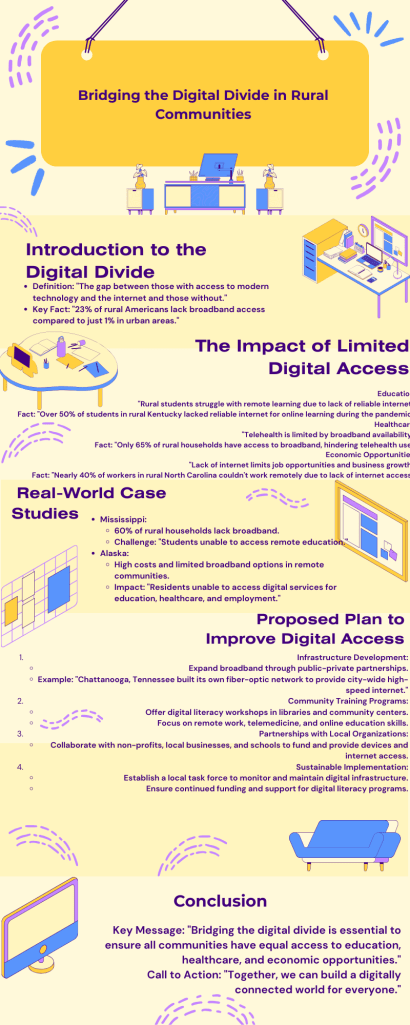
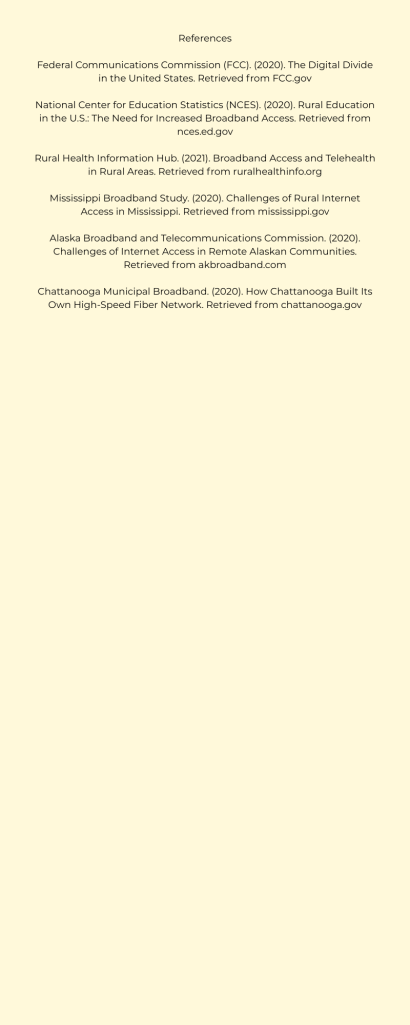
    Rural communities in the U.S. have long faced challenges in accessing the same level of digital resources as urban areas. According to a report by the Federal Communications Commission (FCC), nearly 19 million Americans, or about 6% of the population, do not have access to broadband internet. However, the real disparity becomes evident when considering rural areas, where access drops to around 23%, compared to just 1% in urban areas.

    The lack of high-speed internet access is not just an inconvenience; it has profound implications for individuals’ ability to engage in modern society. In rural areas, where infrastructure is often lacking or outdated, individuals struggle to access essential services such as telemedicine, remote education, and job opportunities that are increasingly dependent on digital tools.

    The Impact of Limited Digital Access

    The implications of limited digital access in rural areas are far-reaching. The digital divide exacerbates inequality by denying rural populations opportunities for educational advancement, economic growth, and healthcare access.

    1. Education: During the COVID-19 pandemic, many students in rural communities faced difficulties in attending school remotely. According to a study by the National Center for Education Statistics (NCES), rural students were more likely to lack reliable internet access, making remote learning a challenge. For example, in a rural district in Kentucky, over 50% of students lacked reliable internet access, hindering their ability to participate in online classes and complete assignments.
    2. Healthcare: Telehealth has become a critical tool for healthcare access, especially in underserved areas. However, rural areas often lack the broadband infrastructure necessary for video consultations or other telehealth services. According to the Rural Health Information Hub, only about 65% of rural households have access to broadband, which limits their ability to access remote healthcare services. In many cases, patients are forced to travel long distances to receive care, which can be costly and time-consuming.
    3. Economic Opportunities: The digital divide in rural areas also affects economic growth. Many modern jobs require internet access and digital literacy. In a rural community in North Carolina, for example, a survey found that nearly 40% of workers did not have the necessary internet access to work remotely, limiting their employment opportunities. Furthermore, small businesses in rural areas are often at a disadvantage because they lack the digital tools to compete in an increasingly online marketplace.

    Case Studies: Real-World Challenges in Rural Communities

    One notable case is the state of Mississippi, where many rural areas still face severe internet access issues. In 2020, a study found that 60% of households in rural Mississippi lacked access to high-speed internet. This lack of access was particularly detrimental during the pandemic when schools switched to remote learning. In one rural district, over 75% of students did not have reliable internet access at home, leading to a significant learning gap compared to their urban counterparts.

    Another example can be seen in rural areas of Alaska. In these remote regions, internet access is not only limited but also expensive. In communities like Bethel and Nome, where internet access is essential for business operations, education, and healthcare, the high cost of broadband services often makes it unaffordable for many residents. Additionally, the lack of digital literacy among older populations in these areas further exacerbates the problem.

    Proposed Plan to Improve Digital Access

    To bridge the digital divide in rural communities, it is essential to develop a multi-faceted approach that addresses the infrastructure, affordability, and digital literacy challenges. Below is an actionable plan to enhance digital access in underserved rural communities:

    1. Infrastructure Development: The first priority is to improve broadband infrastructure in rural areas. This can be achieved through partnerships between government agencies, private companies, and local communities. Federal programs like the FCC’s Rural Digital Opportunity Fund (RDOF) can be expanded to support rural broadband expansion projects. Additionally, local governments can provide incentives for private companies to build broadband networks in underserved areas. Municipalities in rural areas could explore the possibility of creating their own broadband networks, following models like Chattanooga, Tennessee, where the city built its own fiber-optic network, providing high-speed internet to all residents.
    2. Community Training Programs: To ensure that rural populations can fully benefit from improved digital access, it is essential to provide training in digital literacy. Community centers, local libraries, and schools can offer workshops for residents to learn basic computer skills, internet navigation, and the use of digital tools. Additionally, these programs should focus on developing specific skills for remote work, telemedicine, and online education, which are becoming increasingly vital in today’s digital age.
    3. Partnerships with Local Organizations: Collaboration with local non-profits and businesses is crucial for ensuring the success of digital access initiatives. For example, local chambers of commerce could partner with tech companies to provide affordable devices to low-income families. Non-profit organizations could help fund digital literacy programs, and local schools could collaborate with businesses to provide students with access to necessary technologies and educational resources.
    4. Sustainable Implementation: Sustainable digital access solutions must consider the long-term needs of rural communities. This includes ensuring the continued maintenance of broadband infrastructure and providing ongoing digital literacy programs. One solution could be to create a local task force dedicated to monitoring the progress of digital inclusion efforts and working with local leaders to ensure ongoing support and funding for digital initiatives.

    Conclusion

    The digital divide in rural communities is a significant issue that affects education, healthcare, and economic opportunities. The lack of digital access exacerbates inequality and limits the potential of individuals in these areas. By addressing the infrastructure, affordability, and digital literacy challenges through strategic partnerships, government support, and community engagement, we can begin to bridge the digital divide. It is crucial that we take action now to ensure that all communities, regardless of their location, have equal access to the opportunities provided by the digital age. With thoughtful planning and collaboration, we can help rural communities thrive in a digitally connected world.

  • Welcome to My Digital Portfolio!

    Hi, I’m Jamelle James, a Human Development student at Howard University. I’m passionate about understanding how people grow, overcome challenges, and build resilience.

    This portfolio includes my work from the first seven weeks of my Digital Media course. Throughout these assignments, I’ve explored different forms of media, improved my research and writing skills, and learned how to present ideas clearly and engagingly.

    The goal of this portfolio is not just to showcase my work but also to reflect on my progress, challenges, and growth. Thanks for visiting!

    My Digital Media Learning Journey: Growth, Challenges, and Skills Gained

    Over the past seven weeks, I’ve worked on assignments that helped me better understand digital media, critical thinking, and content creation. Looking back, I can see how much I’ve improved in presenting ideas across different platforms.

    What I’ve Learned

    Each assignment challenged me to think in new ways. Whether I was writing blog posts, analyzing media trends, or creating digital content, I gained a deeper understanding of how media shapes communication. I also improved in organizing my work and making it more engaging for different audiences.

    Challenges & How I Overcame Them

    One of my biggest challenges was managing my time. Balancing assignments, research, and keeping my WordPress site updated took effort. To stay on track, I created a schedule to help with planning and editing. I also had to adjust to using WordPress, but with practice, I became more comfortable with its features.

    Skills Developed & Future Plans

    This course has helped me sharpen my writing, critical thinking, and digital presentation skills. I’ve also learned how to build and maintain a professional online presence. These skills will be useful in my future career as a social worker or probation officer working with at-risk youth. Digital communication is important, and I plan to use what I’ve learned to support young people, share helpful resources, and create content that inspires resilience and growth.

    This portfolio isn’t just a collection of assignments—it reflects my progress, adaptability, and commitment to learning. I’m excited to continue building on these skills as I move forward in my academic and professional journey.

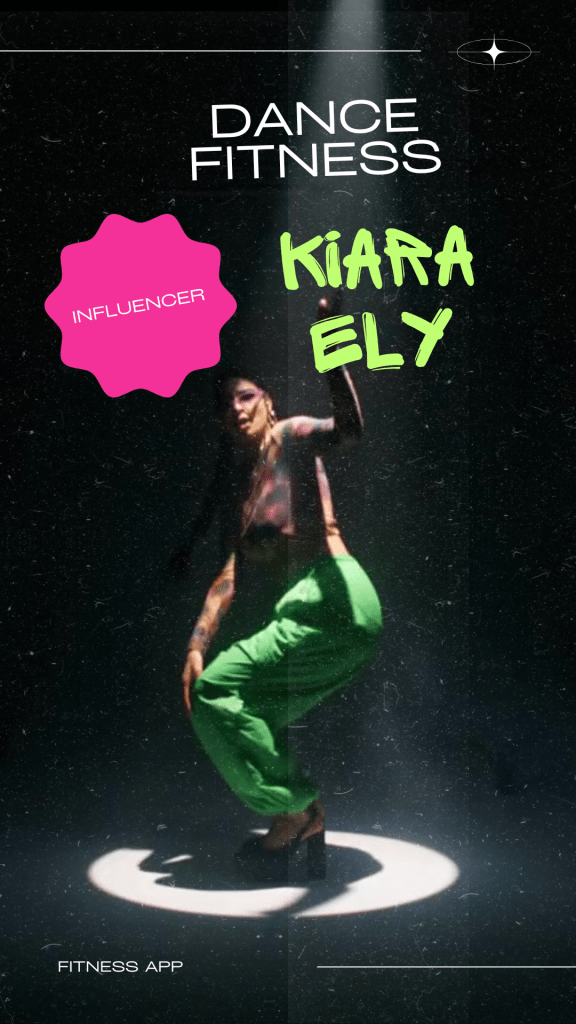
  • Influencer Marketing Plan: Promoting a Dance Fitness App with Kiara Ely

    We are teaming up with Kiara Ely, a popular dancer, choreographer, and career coach. She has 35,000+ Instagram followers and is very active on social media. Her audience loves her dance content, making her a great choice to promote a dance fitness app.

    Why Kiara Ely?

    • Big Following & Engagement – Kiara’s fans are highly engaged and interact with her posts.
    • Perfect Content Style – She shares dance tutorials and choreography, which fits well with a fitness app that uses dance.
    • Audience Match – Most of her followers are young adults and middle-aged individuals interested in dance, fitness, and self-improvement—ideal users for the app.

    Campaign Goal

    • The main goal is to increase awareness of the dance fitness app and introduce it to more people who want a fun way to exercise.

    Marketing Plan

    1. Campaign Theme & Message

    • “Dance Your Way to Fitness” – The campaign will highlight how dance workouts can be a fun and effective way to stay in shape.

    2. Content Plan & Platforms

    Kiara will create different types of content to reach more people:

    • Dance Tutorials (Instagram Reels, TikTok) – Short videos showing easy dance moves from the app.
    • Live Workouts (Instagram Live, YouTube) – Kiara will lead live dance workout sessions.
    • Behind-the-Scenes Clips (Instagram Stories) – Fun moments from Kiara’s workouts to engage followers.
    • App Review Post (Instagram Feed) – Kiara will share her thoughts on the app and its benefits.
    • Final Promotion (Instagram & TikTok) – A final post with a discount code to encourage downloads.

    3. Timeline & Posting Schedule

    The campaign will run for five weeks, with a different focus each week:

    • Week 1 – Kiara announces the partnership with the app.
    • Week 2 – First Instagram Reel and TikTok showing a simple dance routine.
    • Week 3 – Instagram Live workout session (15-minute dance workout).
    • Week 4 – Behind-the-scenes clips and a review of the app.
    • Week 5 – Final post with a discount code to encourage sign-ups.

    4. Measuring Success

    We will track success by looking at conversion rates, meaning how many people click the link and download the app. Kiara’s posts will include a special tracking link to measure the results.


    Expected Results

    Goal: 10,000 app downloads

    Estimated engagement from each type of post:

    • Instagram Reels – 150,000 views → 5,000 clicks → 1,500 downloads
    • TikTok Video – 200,000 views → 7,000 clicks → 2,000 downloads
    • Instagram Live – 50,000 viewers → 3,000 clicks → 1,000 downloads
    • Instagram Stories – 80,000 views → 4,000 clicks → 1,500 downloads
    • Final Promotion Post – 120,000 views → 6,000 clicks → 4,000 downloads

    Total Expected Results:

    • 600,000+ views
    • 25,000 clicks
    • 10,000 app downloads

    Conclusion

    Partnering with Kiara Ely is a great way to introduce the dance fitness app to the right audience. Her strong social media presence and dance expertise will help attract more users.

  • The Cultural, Social and Psychological Impact of Social Media on Daily Life

    Social media is a huge part of our daily lives. Whether we are checking Instagram in the morning or scrolling through TikTok at night, it shapes how we connect with others, what we believe, and even how we see ourselves. While social media helps us stay informed and express ourselves, it can also cause stress, comparison, and anxiety. 

    In this post, we will explore how social media influences culture, relationships, and mental health, along with tips on using it in a healthier way. 

    1. How Social Media Shapes Culture 

    Social media spreads ideas quickly, making certain trends, movements, and influences extremely powerful. 

    Social Media and Activism 

    Movements like #BlackLivesMatter and #MeToo have shown that social media can bring attention to critical issues. A single post can inspire millions of people to act. 

    Example: A short TikTok about climate change has led to more discussions on sustainability and eco-friendly living. 

    Influencers and Trends 

    We no longer just follow traditional celebrities now, social media influencers shape what is popular. While this helps everyday people share their passions, it also creates pressure to live up to unrealistic standards. 

    Tip: Remember that what you see online is often edited or staged. No one’s life is perfect all the time. 

    The Role of Memes and Online Communities 

    Social media has created new subcultures, fan groups, gaming communities, and meme pages that bring people together. However, these spaces can also become echo chambers, where people only see opinions that match their own. 

    Think About It: Have you ever changed your opinion on something because of what you saw online? 

    2. Social Media and Relationships 

    Social media connects us, but it also changes how we interact with friends, family, and even strangers. 

    Staying in Touch vs. Losing Deeper Connections 

    Apps like WhatsApp and Snapchat make it easy to message people, but sometimes, they replace real conversations. We might “like” a friend’s post but never actually check in on them. 

    Example: Have you ever felt like you know what is going on in someone’s life because of their posts but then realized you have not talked to them in months? 

    The Comparison Trap 

    Seeing other people’s vacations, new jobs, or relationships online can make us feel like our own lives are not exciting enough. But we must remember that most people only share their highlights, not their struggles. 

    Tip: Unfollow accounts that make you feel bad about yourself and follow people who inspire and uplift you instead. 

    Online vs. Real-Life Relationships 

    Many friendships and even romantic relationships start online these days. While this can be great, online conversations sometimes lack emotional depth, leading to misunderstandings. 

    Think About It: Do you think social media has improved or hurt your relationships? 

    3. How Social Media Affects Mental Health 

    Social media is not about fun videos and memes—it also affects how we think and feel. 

    Why Social Media Feels Addictive 

    Getting likes, comments, and notifications triggers a small “feel-good” chemical in the brain called dopamine. This makes us want to keep checking our phones, sometimes for hours. 

    Tip: Set time limits on your apps so you do not lose track of time scrolling. 

    Anxiety, Depression, and Social Media 

    Studies show that heavy social media use is linked to higher stress, anxiety, and even depression. Teenagers feel pressure to fit in and keep up with trends. 

    Example: Cutting back on social media use for just 30 minutes a day has been shown to improve mood and focus. 

    How to Take a Social Media Break 

    Instead of quitting completely, try these simple steps: 
    Limit screen time – Set a timer for how long you want to use social media. 
    Unfollow negative accounts – Follow people who bring positive energy. 
    Take offline breaks – Spend time outdoors, reading, or hanging out with friends. 

    Think About It: Have you ever taken a break from social media? How did it make you feel? 

    Finding a Healthy Balance 

    Social media is a powerful tool. It helps us stay informed, connect with others, and express ourselves. But it also has downsides, like comparison, stress, and addiction. The key is using it mindfully and making sure it adds value to your life instead of draining you. 

    Join the Conversation! 

    How does social media affect your life? Do you find it helpful, stressful, or both? Share your thoughts in the comments! 

    If this post was helpful, share it with someone who might need a reminder to take a break from scrolling! 

  • Understanding Digital Citizenship and Online Ethics

    1. What is Digital Citizenship and Why is it Important?

    Digital citizenship means using technology in a responsible and respectful way. It’s about understanding how to act online, protect your privacy, and treat others with kindness. Digital citizenship is important because it helps create a safer, more respectful online space for everyone. Since the internet is a huge part of daily life, how we use it affects our relationships and our safety. Practicing digital citizenship helps reduce issues like cyberbullying and misinformation and promotes a positive environment, especially for younger people who are still learning about online behavior.

    2. Common Online Ethics Issues

    There are several important issues when it comes to online behavior:

    • Respect: Without face-to-face interaction, it’s easy for people to be rude or hurtful online. This can lead to bullying or negative experiences for others.
    • Privacy: The internet makes it easy to share personal information, but we must be careful not to over-share. Protecting our privacy and respecting others’ privacy is key to preventing things like identity theft or stalking.
    • Accountability: Online actions aren’t always held to the same standards as real-life behavior. This can lead to people acting without fear of consequences, allowing harmful actions like spreading fake news or hurting others without facing penalties.

    3. Why Do People Behave Unethically Online?

    Unethical online behavior often happens because people feel anonymous or believe they won’t face immediate consequences. For example, cyberbullies may feel empowered by the fact that they can hide behind a screen.

    A real-life example of unethical online behavior is the Cambridge Analytica scandal, where personal data from millions of Facebook users was misused for political purposes. This caused public distrust in social media and raised concerns about privacy.

    Another example is the growth of hate groups online, where harmful behavior is often disguised as free speech, but it leads to real-world harm, like discrimination and violence.

    4. Reflecting on My Own Digital Behavior

    Looking at my own online actions, I see areas where I could do better. While I try to be respectful and protect privacy, there are times when I should double-check the information I share to make sure it’s true, especially since misinformation spreads quickly. I could also be more aware of my digital footprint and the impact of my posts on others. Moving forward, I plan to engage more in positive interactions online and stand up against bad behavior when I see it.

    5. Why Digital Citizenship is Important

    Digital citizenship is essential because it ensures people use the internet responsibly. It helps create a positive, respectful online community. As we spend more time online, practicing good digital citizenship is more important than ever. It’s about making the internet a safe and welcoming space for everyone, where we all understand the impact of our actions.


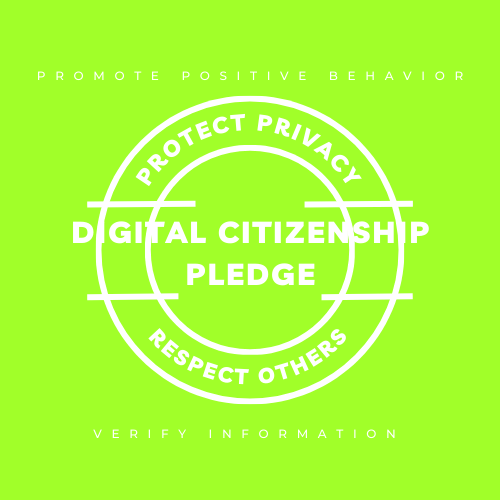
    Digital Citizenship Pledge:

    As a responsible digital citizen, I pledge to:

    1. Respect others: I will be kind and respectful in my online interactions, avoiding negative comments or bullying.
    2. Protect privacy: I will be careful with my personal information and respect the privacy of others by not sharing their details without permission.
    3. Be accountable: I will take responsibility for my actions online and consider how they may affect others.
    4. Promote positive behavior: I will encourage healthy discussions and promote kindness and respect in the digital space.
    5. Verify information: Before sharing anything online, I will make sure it’s true and credible to help prevent misinformation.