1. What is Digital Citizenship and Why is it Important?
Digital citizenship means using technology in a responsible and respectful way. It’s about understanding how to act online, protect your privacy, and treat others with kindness. Digital citizenship is important because it helps create a safer, more respectful online space for everyone. Since the internet is a huge part of daily life, how we use it affects our relationships and our safety. Practicing digital citizenship helps reduce issues like cyberbullying and misinformation and promotes a positive environment, especially for younger people who are still learning about online behavior.
2. Common Online Ethics Issues
There are several important issues when it comes to online behavior:
- Respect: Without face-to-face interaction, it’s easy for people to be rude or hurtful online. This can lead to bullying or negative experiences for others.
- Privacy: The internet makes it easy to share personal information, but we must be careful not to over-share. Protecting our privacy and respecting others’ privacy is key to preventing things like identity theft or stalking.
- Accountability: Online actions aren’t always held to the same standards as real-life behavior. This can lead to people acting without fear of consequences, allowing harmful actions like spreading fake news or hurting others without facing penalties.
3. Why Do People Behave Unethically Online?
Unethical online behavior often happens because people feel anonymous or believe they won’t face immediate consequences. For example, cyberbullies may feel empowered by the fact that they can hide behind a screen.
A real-life example of unethical online behavior is the Cambridge Analytica scandal, where personal data from millions of Facebook users was misused for political purposes. This caused public distrust in social media and raised concerns about privacy.
Another example is the growth of hate groups online, where harmful behavior is often disguised as free speech, but it leads to real-world harm, like discrimination and violence.
4. Reflecting on My Own Digital Behavior
Looking at my own online actions, I see areas where I could do better. While I try to be respectful and protect privacy, there are times when I should double-check the information I share to make sure it’s true, especially since misinformation spreads quickly. I could also be more aware of my digital footprint and the impact of my posts on others. Moving forward, I plan to engage more in positive interactions online and stand up against bad behavior when I see it.
5. Why Digital Citizenship is Important
Digital citizenship is essential because it ensures people use the internet responsibly. It helps create a positive, respectful online community. As we spend more time online, practicing good digital citizenship is more important than ever. It’s about making the internet a safe and welcoming space for everyone, where we all understand the impact of our actions.
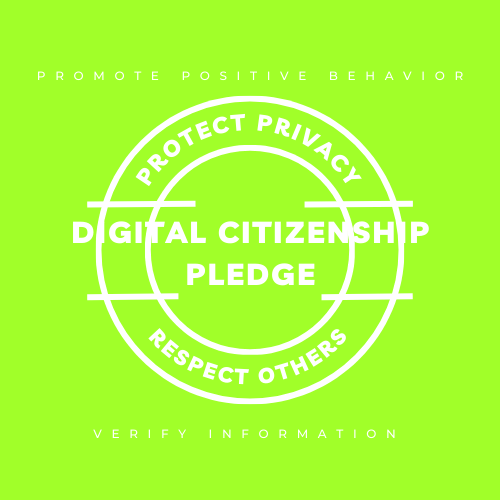
Digital Citizenship Pledge:
As a responsible digital citizen, I pledge to:
- Respect others: I will be kind and respectful in my online interactions, avoiding negative comments or bullying.
- Protect privacy: I will be careful with my personal information and respect the privacy of others by not sharing their details without permission.
- Be accountable: I will take responsibility for my actions online and consider how they may affect others.
- Promote positive behavior: I will encourage healthy discussions and promote kindness and respect in the digital space.
- Verify information: Before sharing anything online, I will make sure it’s true and credible to help prevent misinformation.
 Everyday Encouragement
Leave a comment